Seasonal Pattern Recognition Techniques for Informed Selections in Football Matches, Tennis Tournaments, and Thoroughbred Races
Elena Hoffmann · Jun 11, 2026
Seasonal Pattern Recognition Techniques for Informed Selections in Football Matches, Tennis Tournaments, and Thoroughbred Races
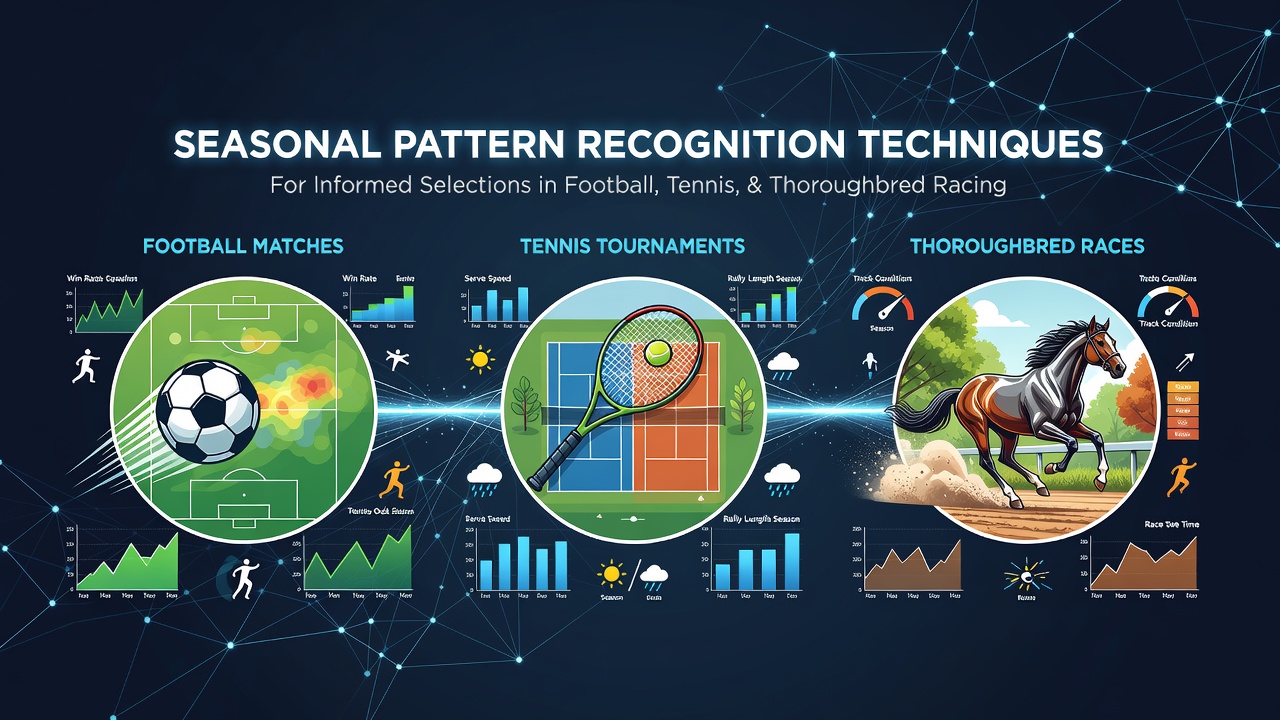
Observers note that seasonal shifts influence performance metrics in multiple sports, creating identifiable patterns that analysts track through historical records and environmental data. In June 2026 the FIFA World Cup schedule overlaps with European domestic seasons ending and North American thoroughbred circuits entering their peak summer phase, which researchers track for correlations between fixture density and player output. Analysts compile datasets spanning multiple years to isolate recurring trends tied to calendar periods. Football squads competing in late spring often exhibit reduced high-intensity running distances after congested schedules, according to figures released by the European Club Association. Those same teams transition into pre-season phases where recovery rates improve measurably once mid-summer training camps begin. Tennis schedules place major clay-court swings in spring before hard-court majors dominate summer calendars, and data from the International Tennis Federation shows serve percentages rising on faster surfaces during June and July when temperatures climb. Thoroughbred racing calendars move from spring classics into summer sprints at many tracks, where ground conditions harden and speed figures improve for horses with proven records on firmer going.Football Seasonal Metrics
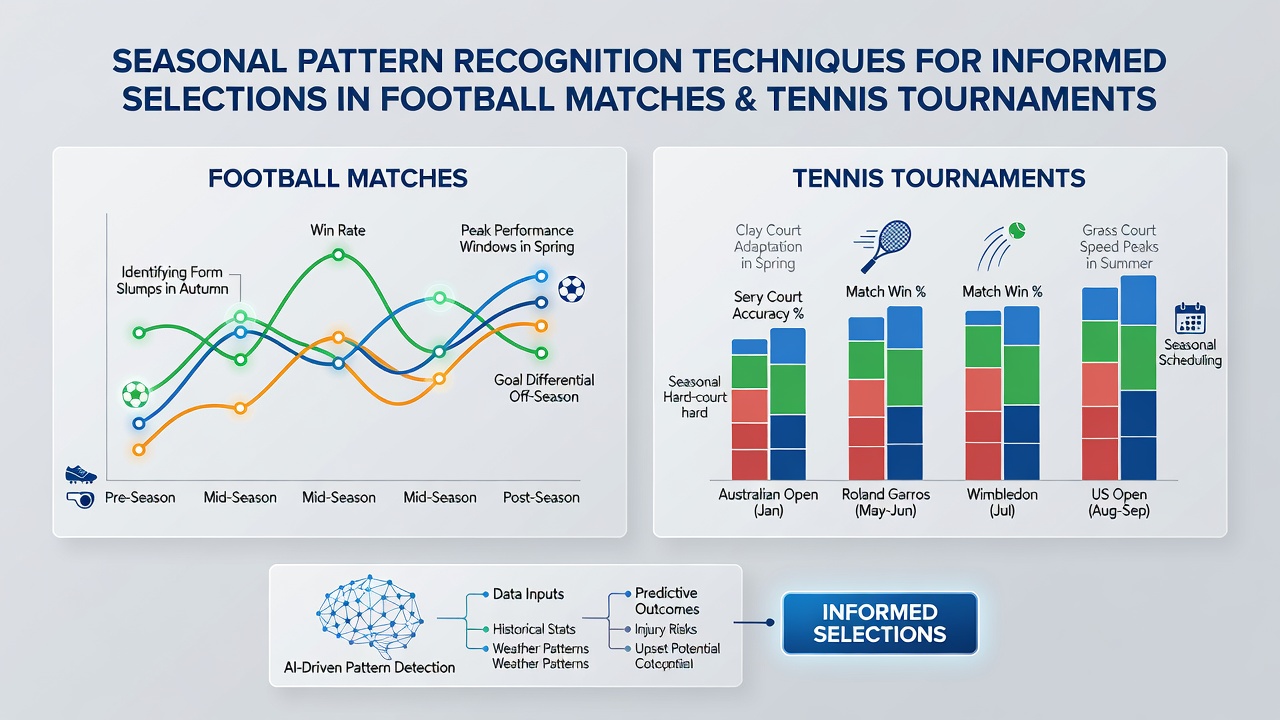
League administrators publish fixture lists that allow pattern mapping across home and away performances during specific months. Records indicate that teams in northern leagues post higher goal tallies in early autumn when pitches remain firm, while winter months correlate with lower scoring and increased set-piece reliance. Analysts cross-reference these outcomes against temperature logs and travel distances to refine selection criteria before matches.
June 2026 brings international tournament windows that interrupt club seasons, and historical data reveals elevated fatigue indicators among players returning from national duty. Performance tracking platforms log reduced pass completion rates in the first two weeks after such breaks, prompting selections that favor squads with deeper benches or fewer call-ups.
Tennis Tournament Patterns
Grand Slam surfaces rotate seasonally, and statistics maintained by the ATP and WTA tours demonstrate that players with strong indoor records during winter months transition differently to outdoor grass than those who peak on clay. Baseline rally lengths shorten on grass courts as temperatures rise, and return-point win percentages shift accordingly. Observers compile head-to-head results filtered by month to identify these surface-specific adjustments.
Qualifying draws held in early summer often feature players carrying momentum from spring clay events, yet data shows lower conversion rates into main-draw wins when conditions change rapidly. Pattern recognition therefore incorporates both recent surface exposure and rest intervals between tournaments.
Thoroughbred Racing Adjustments
Racing jurisdictions publish official going reports that reveal seasonal transitions from soft spring ground to faster summer surfaces. Form guides from Racing Australia document how certain sires produce offspring that improve markedly once tracks dry, and trainers adjust preparation routines around these expected changes. Jockey statistics filtered by month further refine selections, since some riders post higher strike rates on firmer ground during peak summer fixtures.
June programs in the southern hemisphere frequently include shorter sprint distances, and researchers tracking sectional times note that early pace pressure intensifies when daylight hours lengthen. Handicappers incorporate these distance and going shifts into weight-adjusted ratings before compiling selections.
Integrated Cross-Sport Techniques
Pattern libraries combine variables such as temperature ranges, surface transitions, and fixture congestion across disciplines. Analysts weight each factor according to its historical correlation strength within the relevant calendar window. Software tools aggregate these inputs into dashboards that highlight periods when one sport's seasonal edge aligns with another's.
Academic studies from the University of Sydney have examined multi-sport datasets to test whether combined seasonal filters improve predictive accuracy over single-sport models. Results indicate modest gains when environmental and scheduling variables receive equal attention alongside traditional form indicators.
Conclusion
Seasonal pattern recognition relies on consistent data collection and filtering by month, surface, and external conditions. Analysts update models annually to account for rule changes, climate variations, and calendar shifts such as the 2026 World Cup overlap. Those who maintain disciplined record-keeping across football, tennis, and thoroughbred racing continue to identify recurring structures that inform selections without relying on subjective judgment.