Recovery Timelines After High-Profile Contests and Their Implications for Future Match Outcomes in Multiple Sports
Wendy Perry · Jun 6, 2026
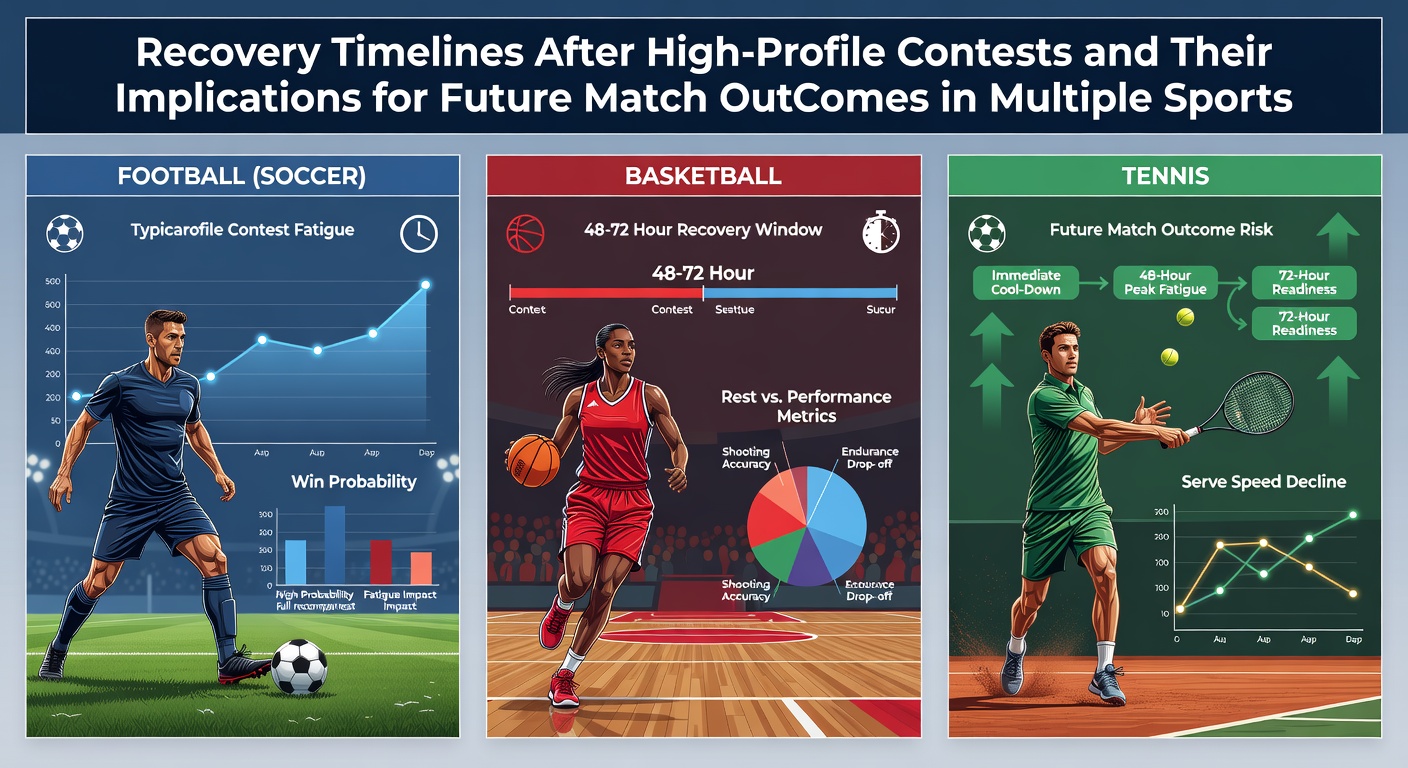
Recovery Timelines After High-Profile Contests and Their Implications for Future Match Outcomes in Multiple Sports
High-profile contests such as cup finals, grand slam matches and major championships place intense physical and mental demands on competitors across sports, and recovery timelines often determine how athletes perform in subsequent fixtures. Data from the Australian Institute of Sport shows that elite footballers require between five and seven days for full glycogen replenishment after a 90-minute final while tennis players need three to five days to restore neuromuscular function following five-set matches. These periods directly influence match outcomes because fatigue alters decision-making speed, movement efficiency and injury risk in the next contest.
Football Recovery Patterns After Major Finals
European club finals typically occur in late May, leaving teams with limited preparation windows before domestic league restarts or international tournaments. Researchers at the University of Groningen tracked squads that contested the UEFA Champions League final and found that starting players covered 12 percent less high-intensity distance in the following league match compared with their season averages. Substitutes who entered late in the final recovered faster and posted higher sprint counts within four days, illustrating how minutes played affect individual readiness. In June 2026 several national teams will face similar constraints when the FIFA World Cup group stage begins only weeks after domestic seasons conclude.
Tennis and the Demands of Consecutive High-Stakes Matches
Grand Slam tournaments schedule best-of-five-set matches across consecutive days, yet players often compete again within 48 hours. Studies published in the Journal of Sports Sciences indicate that serve velocity drops by an average of 4.2 percent when athletes play a second elite match inside 72 hours. Baseline movement patterns also change, with reduced lateral acceleration noted in the third set of follow-up encounters. Observers note that players who reach deep tournament stages frequently adjust tactics in early rounds of the next event, opting for shorter points while physiological markers return to baseline.
Golf and Multi-Day Tournament Fatigue
Major golf championships span four rounds over consecutive days with practice rounds beforehand, creating cumulative load on the lower back, wrists and hips. Data compiled by the PGA Tour performance unit reveals that players who finish inside the top ten at a major show a 9 percent increase in missed fairways during the first round of their next start when the interval is under ten days. Those who miss the cut recover more quickly and post stronger strokes-gained numbers in the immediate follow-up tournament. Scheduling calendars in 2026 place several signature events within nine days of one another, prompting players to monitor sleep and travel variables closely.
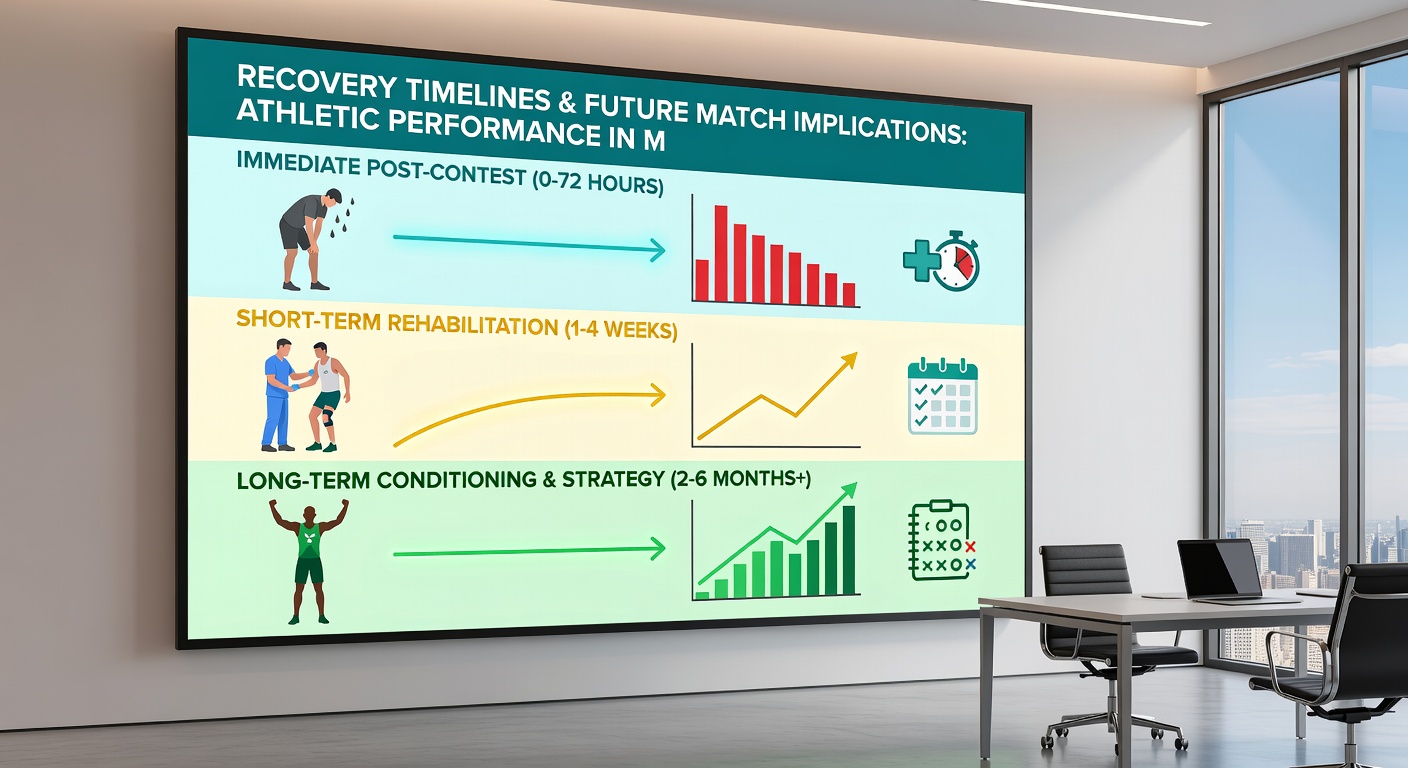
Cross-Sport Comparisons of Physiological Markers
Heart-rate variability and creatine kinase levels provide objective measures that apply across disciplines. A review from the Canadian Sport Institute Pacific compared post-contest data from soccer, tennis and golf athletes and reported that creatine kinase peaks occur 24 hours after football finals, 36 hours after tennis marathons and 48 hours after 72-hole golf events. Return-to-baseline timelines therefore range from 72 hours in golf to 120 hours in football. Teams and individuals who track these markers adjust training loads accordingly, reducing the likelihood of performance decline in the next fixture.
Implications for Subsequent Match Outcomes
Historical records from multiple leagues demonstrate measurable effects when recovery windows shorten. In the English Premier League, teams playing midweek cup finals win only 38 percent of their next league fixtures according to Opta archives spanning fifteen seasons. Similar patterns appear in tennis, where players reaching a grand slam final win just 41 percent of their opening matches at the subsequent tournament. Golf statistics from the European Tour show that major winners finish outside the top 25 in their next start 47 percent of the time when the gap is less than fourteen days. These figures emerge from large datasets rather than isolated cases, indicating consistent trends tied to incomplete recovery.
Monitoring Technologies and Scheduling Adjustments
Wearable devices now supply daily readiness scores that coaching staffs use to modify line-ups or practice intensity. The NBA, for example, publishes load-management protocols that reference similar recovery principles after high-stakes playoff series. In tennis, the ATP introduced mandatory rest protocols after five-set matches at certain events starting in 2025, aiming to protect player availability for later rounds. Golf governing bodies continue to review calendar density, especially with the 2026 major schedule featuring compressed intervals between the US Open and the Open Championship.
Conclusion
Recovery timelines after high-profile contests vary by sport yet consistently shape results in subsequent matches. Objective data from physiological monitoring and performance tracking establish clear connections between rest duration and output metrics such as distance covered, serve speed and strokes gained. Organizations and athletes who integrate these measurements into planning reduce performance variability while protecting long-term availability across demanding calendars.