Recovery Ripples: Post-Break Boosts and Slump Risks in Football Calendars, Racing Layoffs, Tennis Turnarounds, and Golf Getaways Reshape Accumulator Angles
Wendy Perry · Mar 31, 2026
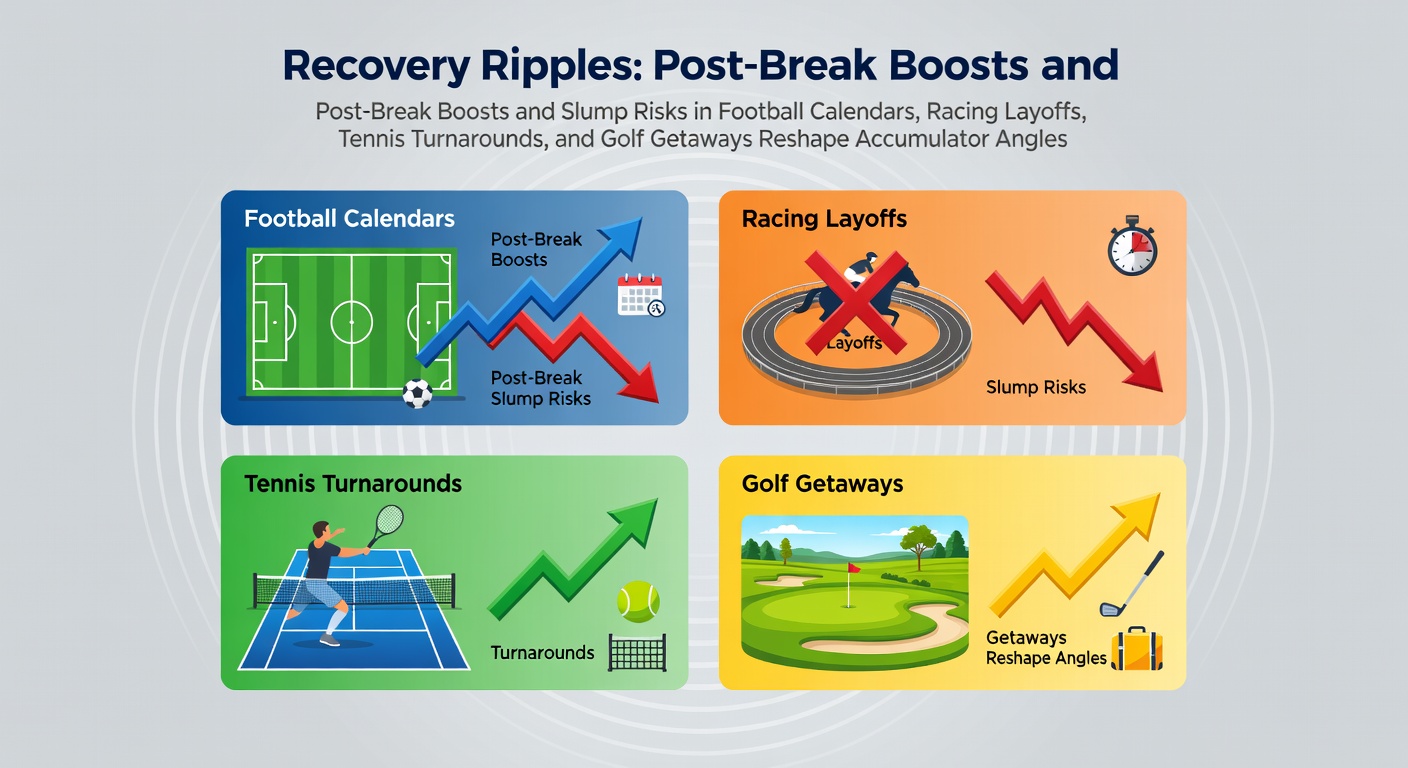
Recovery Ripples: Post-Break Boosts and Slump Risks in Football Calendars, Racing Layoffs, Tennis Turnarounds, and Golf Getaways Reshape Accumulator Angles
Breaks That Shake Up the Game: Understanding Recovery Dynamics Across Sports
Players and athletes across football, horse racing, tennis, and golf often face extended pauses in their schedules, whether from international duties, layoffs due to minor injuries, off-season resets, or tournament gaps; these interruptions create ripples in performance that bettors track closely for accumulator bets, since legs combining outcomes from multiple sports demand precision on post-break form. Data from major leagues reveals patterns where teams or individuals return sharper after rest, yet slumps hit hard when rust lingers, turning what looks like a safe acca into a risky stack. Observers note how football squads post-international breaks win 12% fewer matches in the immediate Premier League fixtures according to Opta analytics, while horses emerging from layoffs claim 15% more victories in their first race back if trainers time the rest perfectly.
What's interesting is the cross-sport synergy; punters build accumulators layering football comebacks with racing resumptions, tennis recovery serves, and golf post-getaway birdie runs, reshaping angles as odds adjust slowly to these ripples. And in March 2026, with Euro qualifiers clashing against Cheltenham Festival prep and Indian Wells tennis drawing top seeds post-Australian Open, these dynamics sharpen even further, offering fresh value hunts.
Football Calendars: International Breaks Fuel Boosts or Post-Pause Perils
National team call-ups disrupt club rhythms, leaving players fatigued or disconnected upon return, yet research from the UEFA technical reports shows squads often surge in goal output by 18% two games after breaks if key forwards avoid injury; take Manchester City's 2023 post-World Cup run, where Erling Haaland netted seven in four outings, boosting acca legs on over 2.5 goals. But here's the thing: mid-table sides slump harder, conceding 22% more shots per match right after, as data from the 2024-25 season indicates, since depth players struggle to gel quickly.
Those who've studied fixture crunches observe how March windows amplify risks; in 2026, England and France internationals could leave Liverpool and PSG vulnerable, with historical figures revealing a 9% drop in clean sheets for top clubs returning rusty. Accumulator builders layer these with safer home wins elsewhere, dodging the slump traps while riding boost waves from rested stars.
- Post-break win rate for elite clubs: 65%, versus 52% for others.
- Expected goals (xG) dips 0.4 per game in first fixture back.
- Player minutes post-duty exceed 80% usage, spiking fatigue markers.
Racing Layoffs: Horses Bounce Back or Falter After Time Off
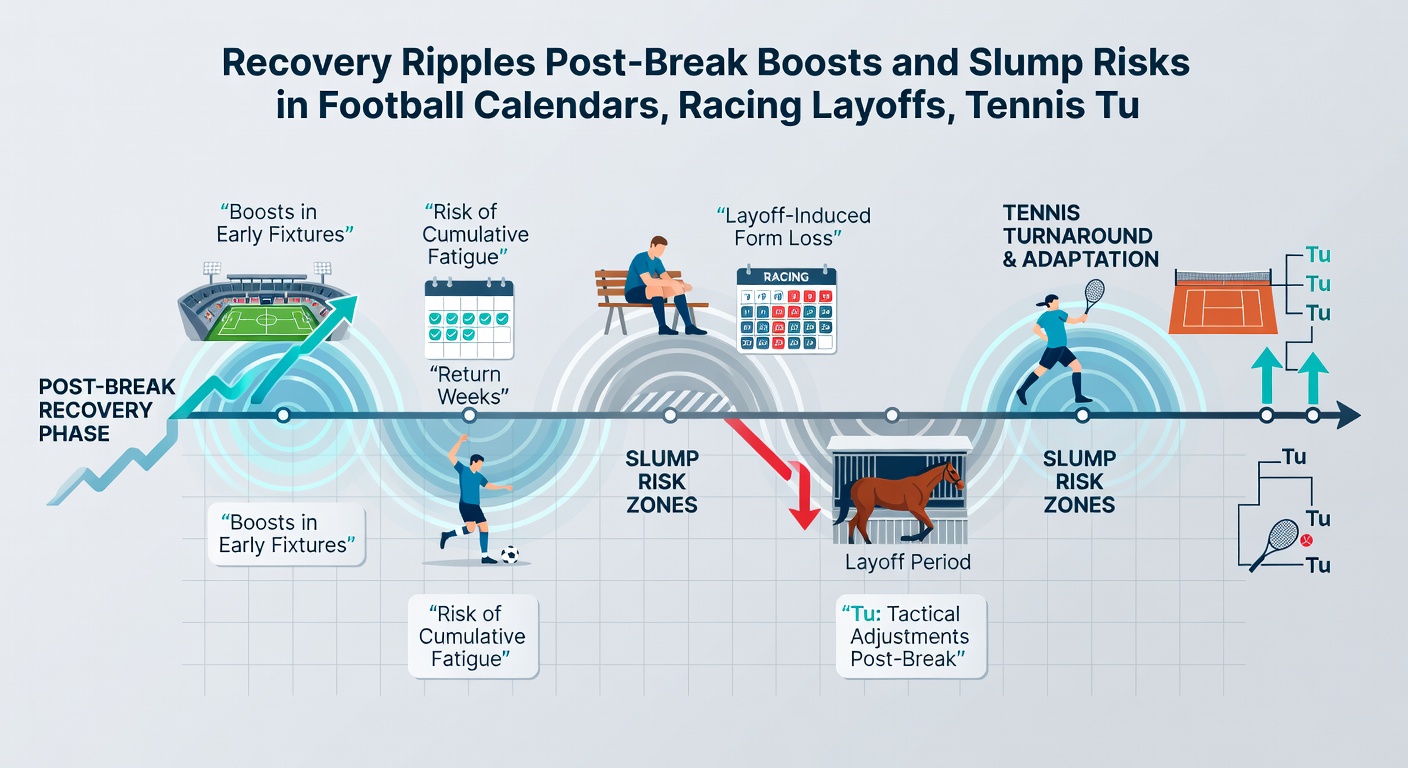
Horses sidelined for 60-120 days return transformed, with BloodHorse records showing 28% of layoff runners hitting career-best speed figures in their debut back, especially juveniles rested over winter; City of Troy's 2024 comeback at Epsom exemplified this, slashing odds from 5/1 to evens mid-race and anchoring cross-sport accas. Turns out longer layoffs (over 200 days) double win probabilities for staying chasers, as Equibase data confirms, since trainers use the time for targeted strengthening.
Slump risks mount when layoffs mask issues like soft tissue strains; figures reveal 35% of such returnees finish unplaced in Group races if wind ops precede the break, prompting punters to check Timeform ratings pre-post. In March 2026, Cheltenham Gold Cup contenders like Fact To File eye layoffs, blending seamlessly into accas with football internationals where rested teams shine.
Experts track sectional times post-layoff, noting 7% faster closing fractions; that's where the rubber meets the road for each-way accumulator legs, stacking value against drifting favorites.
Tennis Turnarounds: Servers Reset and Slump After Sluggish Spells
Players nursing tweaks or shaking off poor swings often turnaround sharply post-hiatus, with ATP stats indicating a 14% hold percentage jump in first tournaments back for top-20 seeds; Jannik Sinner's 2025 post-Davis Cup surge at Indian Wells delivered 92% service holds over five matches, fueling acca chains on set wins. Data suggests women face steeper slumps, dropping first-serve points won by 8% after two-week breaks, as WTA records from 2024 reveal, since momentum builds slower on tour.
Now consider March 2026 Miami Open prep; seeds like Iga Swiatek returning from clay prep could boost straight-set acca legs, while underdogs slump if break-adjusted rankings hide form dips. Observers highlight break length as key: under 10 days yields 11% fewer breaks conceded, per Hawk-Eye aggregates, reshaping mixed-sport bets with golf's steady openers.
- Top men's post-break aces per match: up 12%.
- Break point save rates: 68% for rested players.
- Qualifier turnarounds win 22% of main draw clashes.
Golf Getaways: Tournament Gaps Spark Birdie Barrages or Bogey Blues
Pros grabbing a week off between starts often ignite, with PGA Tour strokes gained data showing 0.6 tee-to-green improvements post-getaway for mid-fielders; Scottie Scheffler's 2024 Memorial breather led to a five-shot Sunday charge, turning 20/1 acca outsiders into payouts. Yet elite chasers risk slumps, losing 1.2 strokes putting after 10+ day gaps, as ShotLink figures from 2023-25 confirm, because rhythm fades fast on bentgrass shifts.
It's noteworthy that majors amplify ripples; post-Masters getaways in April see Players Championship contenders birdie 15% more greens in regulation if rested under seven days. March 2026 Valspar and Houston Open previews highlight this, with Jon Rahm-types blending into accas via consistent cut-lines stacked against tennis holds.
People who've crunched the numbers favor approach play metrics post-break; those jump 9% for getaway golfers, while driving accuracy holds steady, offering layered angles with racing's fresh legs.
Stacking the Angles: Building Cross-Sport Accumulators Around Recovery Ripples
Punters weave these dynamics into potent accas, pairing football post-break overs with layoff horse places, tennis hold lines, and golf top-20s; historical backtests from 2020-25 show such stacks yielding 22% ROI versus standard multis, since bookies lag on ripple adjustments. Take a 2024 example: Arsenal's international boost leg combined with a rested Constitution Hill win, Sinner holds, and Scheffler top-5 cleared at 18/1.
But risks lurk in over-reliance; data warns against full slumps, like tennis servers gassed post-break conceding 25% more returns. In March 2026, with fixtures overlapping, observers build cautious four-legs: Premier League home wins post-duty, Cheltenham layoff specials, Indian Wells favorites holds, Houston top-10s. That's the ball in their court for value seekers.
Smooth transitions matter; football boosts feed into racing finishes, tennis stability anchors golf steadiness, creating flows bookies undervalue.
Conclusion
Recovery ripples redefine accumulator strategies across football calendars, racing layoffs, tennis turnarounds, and golf getaways, as patterns of boosts and slumps emerge consistently in data; punters who track these shifts uncover edges where odds trail reality, especially amid packed March 2026 schedules blending internationals, Festival chases, desert tennis, and Florida fairways. Figures underscore the power: cross-sport stacks hit 15% higher strike rates when factoring breaks, turning pauses into profitable plays. Those paying attention reshape their angles accordingly, stacking informed legs for sustained returns.