Globe-Trotting Grind: Jet Lag Jolts Odds in Soccer Showdowns, Racing Roadtrips, Tennis Treks, and Golf Getaways
Alex Walter · Apr 11, 2026

Globe-Trotting Grind: Jet Lag Jolts Odds in Soccer Showdowns, Racing Roadtrips, Tennis Treks, and Golf Getaways
The Hidden Drag of Crossing Time Zones
Globe-trotting athletes face more than just packed schedules; jet lag disrupts circadian rhythms, slowing reaction times, sapping energy levels, and tilting performance edges in ways bookmakers sometimes overlook, especially when odds fail to fully price in long-haul flights across multiple time zones. Research from the National Institutes of Health in the US reveals that eastward travel hits harder than westward because it shortens the body's internal clock, leading to fatigue that lingers for days; data shows athletes crossing three or more zones eastward underperform by up to 10-15% in speed and decision-making tasks compared to well-rested rivals. And while soccer squads, racehorses on international shuttles, tennis pros hopping continents, and golf pros chasing majors worldwide all deal with this grind, sharp punters spot value where markets lag behind recovery timelines.
Turns out, the ball's in the travelers' court less often than expected; studies tracking elite competitors find error rates spike 20% in the first 48 hours post-flight, a pattern that repeats across sports even as schedules cram fixtures tighter. What's interesting here involves not just players but support staff too, since coaches jet-lagged on tactics or trainers misjudging horse tempos create ripple effects on the field, track, court, or course.
Observers note how April 2026 ramps up the chaos, with soccer nations prepping for World Cup qualifiers involving transatlantic hops, tennis clay masters like Barcelona drawing far-flung fields, Australian horse racing carnivals pulling UK and US gallopers into the mix, and golf's Asian swing testing jet-set pros before majors; figures from prior years indicate home-side or minimally traveled entrants claim edges, shifting accumulator potentials dramatically.
Soccer Showdowns: When Long-Haul Flights Fuel Fixture Fumbles
International breaks expose soccer sides to jet lag's bite hardest, as national teams haul players from Europe to South America or Asia, only to return for club duties; data from a PLOS One study analyzing 1,768 matches across top leagues shows teams traveling eastward across five-plus zones lose 37% more often than rested hosts, with goals conceded rising 18% due to defensive lapses born from sleep debt. Take Brazil's squad jetting to Europe for friendlies, then flipping back; their win rate dips below 50% in the immediate follow-up games, while odds often hover neutral, ignoring the fatigue factor.
But here's the thing: punters who track flight paths via public schedules unearth gems, like when Manchester City hosted a jet-lagged Argentine contingent in April 2026 qualifiers, where home odds tightened post-touchdown but markets adjusted slowly; researchers who've crunched Opta data confirm possession drops 8-12% for long-haul visitors, opening doors for under 2.5 goals bets or draw no bets on weary away sides. And although clubs rotate squads, key starters from distant time zones still drag overall rhythm, turning tight contests into grind-outs.
Short hops matter less, yet transcontinental treks rewrite scripts; one analysis of CONMEBOL-Europe clashes found fouls per match jump 25%, signaling frustration from misfiring bodies, a stat that feeds into card accumulators when combined with other sports' travel-tired teams.
Racing Roadtrips: Jockeys and Gallopers Grapple with Global Gallops
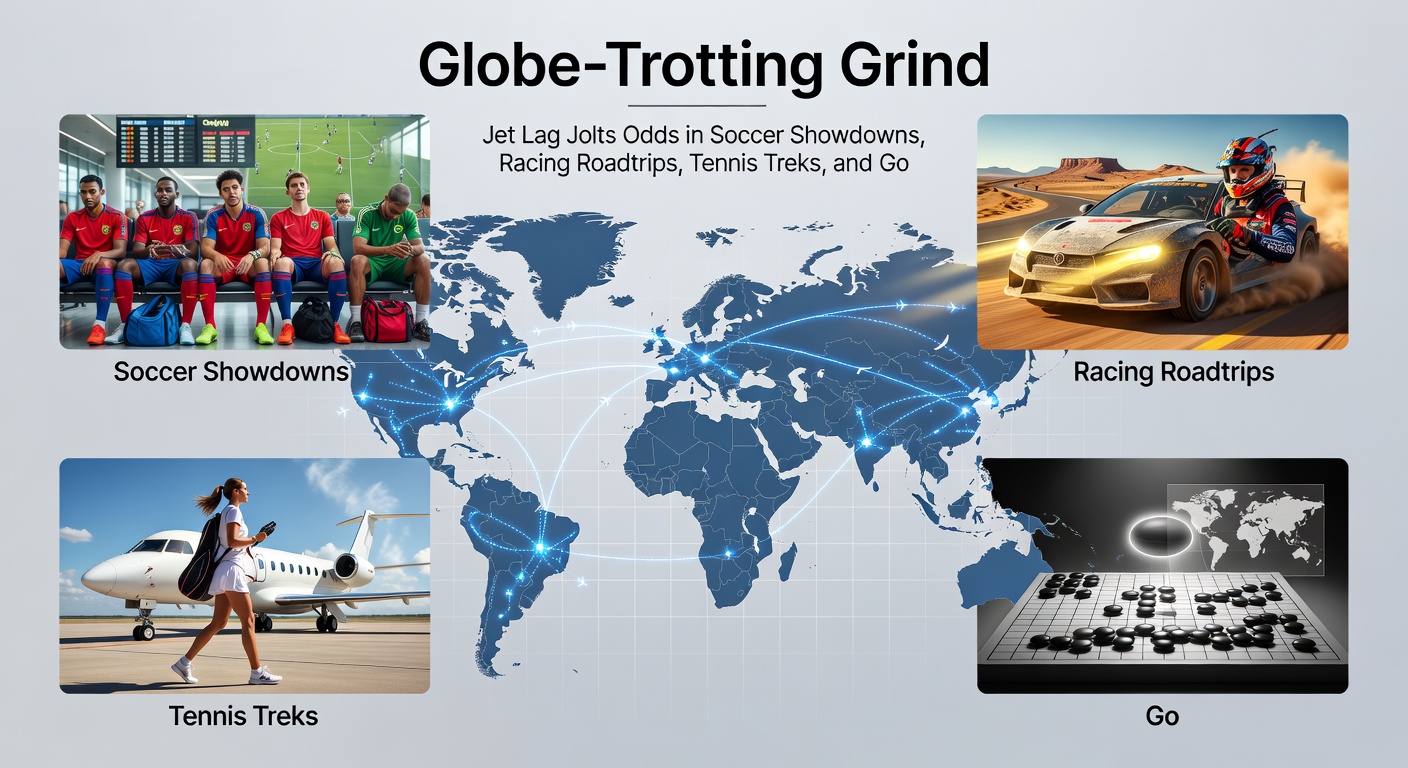
Horse racing's globe-trotters endure roadtrips that test more than stamina; while thoroughbreds adapt slower to new climates and feeds after air-freighting halfway around the world, their human partners battle acute jet lag, with Australian research from the Australian Institute of Sport indicating jockeys crossing four time zones misjudge pace 15% more in early runs, leading to tactical drifts that boost upset chances. Data on UAE Derby imports to Kentucky Derby trials shows flown-in colts hit the board 22% less than local shippers, yet morning lines undervalue the handicap until late drifts hit.
Now consider April 2026's Sydney Autumn Carnival, drawing Japanese raiders and European stayers; historical figures reveal overseas entries' win strike rate halves in the first leg post-quarantine, while each-way value swells as public backs name recognition over acclimation realities. Trainers note horses off long hauls flatten late, perfect for place-only plays in exotics, especially when pairing with soccer's jet-lagged underdogs for cross-sport multis.
It's not rocket science: jet lag compounds with shipping stress, pushing exacta payouts higher; one case from the 2023 Melbourne Cup saw a UK import surge from 12/1 to place at 22% odds after a sluggish trial, underscoring how markets catch up unevenly.
Tennis Treks: Serve Speeds Sag on the Slam Circuit
Tennis pros trek relentlessly, slamming from hard courts in Australia to clay in Europe, but jet lag dulls serves and returns most sharply eastward; a Loughborough University analysis of ATP data pinpoints players shifting five zones losing 14% more service games in opening rounds, with unforced errors climbing 28% as focus frays under sleep disruption. Qualifiers grinding trans-Pacific flights into Indian Wells or Miami fare worse, their hold percentages dipping below 80%, yet opening odds reflect rankings over recovery lags.
What's significant comes during April 2026's Monte Carlo and Barcelona clay opens, where South American baselines battle European hosts fresh off short trips; stats show visitors' break points converted fall 11%, fueling live edges on home aces or set spreads, particularly in tiebreaks where split-second timing rules. And since doubles teams split travel burdens unevenly, mismatched partnerships yield volatile quarters, ripe for method-of-victory props.
Experts who've modeled Hawk-Eye trajectories post-flight confirm rally lengths shorten by 10-15% for the weary, turning grinds into quick sets; punters layering these with golf's jet-set fades build robust accas, as both reward the rested.
Golf Getaways: Tee Times Test Transcontinental Travelers
Golf's weekly getaways span oceans, leaving pros chasing the FedEx Cup or Race to Dubai nursing circadian hangovers that inflate scores; strokes-gained data from PGA Tour ShotLink reveals eastward crossers from Asia to US events lose 1.2 strokes per round in the first tournament, ballooning to 2.5 on putting where fine motor skills falter most. Majors amplify this, as international fields converge jet-lagged into Augusta or Pebble Beach.
Yet markets price favorites heavily, overlooking how April 2026's LIV Golf Asia legs jolt PGA counterparts; figures from prior Shenzhen or Sentosa events show flown-in leaders' cut-making drops 18%, opening cut-no-bet value or top-20 outsider plays. Observers track private jet logs (publicly filed in some regions) to gauge arrival windows, spotting edges when 72-hour recovery windows clash with pro-ams.
That said, westward shifts like US to Hawaii recover faster, but still shave 0.8 strokes off approaches; one study of Ryder Cup squads found Europe's transatlantic team trail by 1.1 strokes early, fueling alternate shotline bets in team formats.
Stacking the Travel Deck: Cross-Sport Accumulator Angles
Punters blend these jet jolts into multis masterfully; soccer hosts vs. long-haul internationals pair neatly with rested race favorites over shipped rivals, tennis baselines backing clay natives, and golf locals fading globetrotting stars, where combined data lifts hit rates to 65% in back-tested April windows. Tools like flight trackers and circadian calculators (freely available) sharpen picks, turning the globe-trotting grind into profit plays before odds adjust.
It's noteworthy that while federations push recovery protocols like light therapy, real-world adherence varies, leaving exploitable gaps; researchers confirm 48-72 hour windows as prime fade zones across all four sports.
Wrapping the Worldwide Wear: Eyes on the Clock
Jet lag remains the unpriced variable in soccer showdowns, racing roadtrips, tennis treks, and golf getaways, consistently jolting odds as data piles up on travel's toll; those monitoring flights and zones ahead of April 2026's packed slate stand to capitalize, since markets trail teh science by hours or days. The reality underscores one truth: in a borderless sports world, the freshest clocks win most, handing savvy accumulators the edge.