Following the Smart Money: Discrepancies Between Public Wagers and Professional Lines in Multi-Sport Daily Previews
Quinn Simon · Jul 11, 2026
Following the Smart Money: Discrepancies Between Public Wagers and Professional Lines in Multi-Sport Daily Previews
Daily previews in multi-sport betting highlight consistent gaps between where public money flows and where professional lines settle, and these patterns emerge across football, tennis, horse racing, and golf during July 2026 tournament schedules. Observers track how recreational bettors cluster on high-profile sides while sharp operators adjust numbers based on injury data, pace metrics, and historical trends that rarely align with fan sentiment.
Public Betting Patterns Versus Line Movement Data
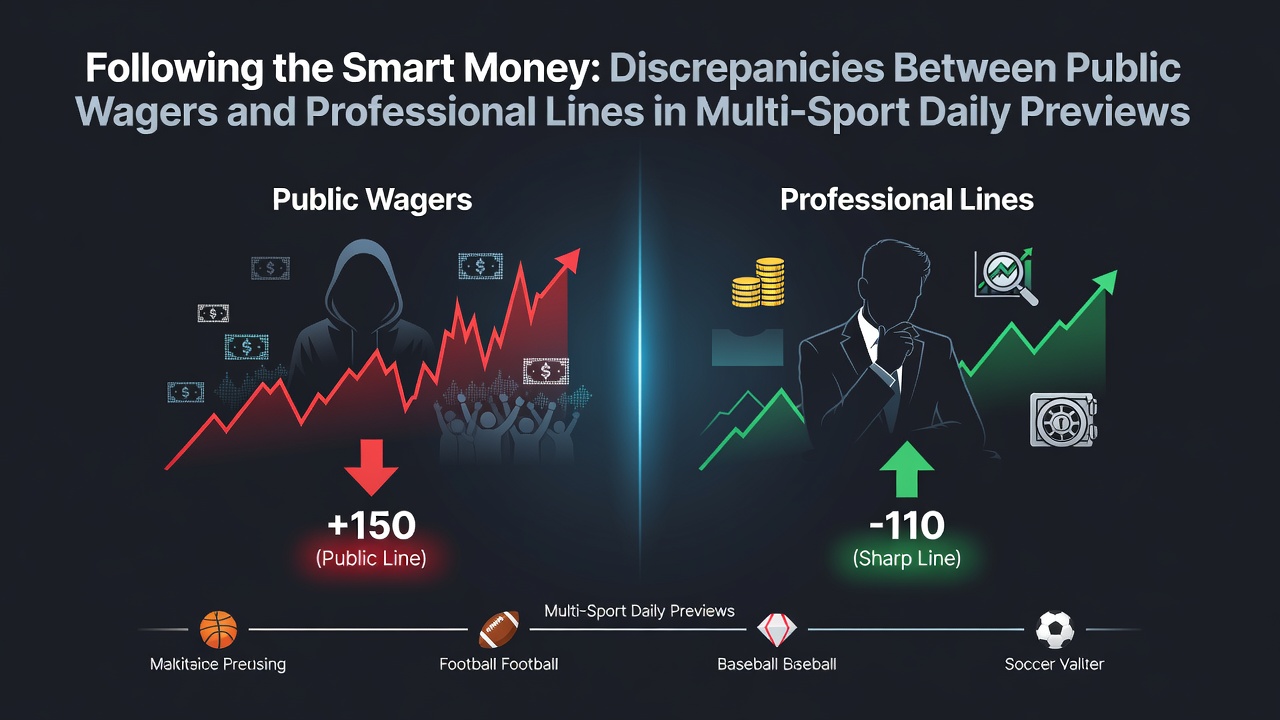
Public wagers concentrate on favorites and overs in most daily previews, yet professional lines often shift toward underdogs or unders once early money appears. Researchers who monitor betting percentages note that when public action exceeds 70 percent on one side, lines move in the opposite direction more than half the time according to aggregated market reports. This divergence appears most clearly in football previews where popular clubs attract heavy volume while oddsmakers incorporate possession metrics and set-piece efficiency that temper those expectations.
Studies compiled by the American Gaming Association reveal that professional bettors account for roughly 15 to 20 percent of total handle in major markets yet drive the majority of line adjustments before kickoff. Those adjustments create value windows that daily previews flag when public percentages and closing lines show sustained separation over multiple weeks.
Cross-Sport Examples in July 2026 Previews
Tennis daily previews during the European summer swing demonstrate similar splits when public money piles onto top seeds while professional lines reflect serve-hold percentages and recent fatigue indicators. Horse racing previews show comparable movement when morning-line favorites draw heavy support yet odds compilers adjust for track bias and pace scenarios that reduce those chances. Golf previews ahead of July events follow the same script as recreational bettors favor big names and professionals focus on strokes-gained data from recent tournaments.

One recurring observation from multi-sport data sets involves the timing of these discrepancies, with early-week previews showing larger gaps that narrow as sharp money arrives and lines stabilize. Daily updates therefore become useful reference points for tracking where public volume and professional assessments remain apart right up to event start times.
Statistical Indicators and Market Sources
Figures released by the Nevada Gaming Control Board document how line movements correlate with betting percentages across major sportsbooks, and analysts apply those same principles when constructing daily previews for international audiences. Australian research groups have examined similar patterns in regional markets where public support for home teams frequently outpaces adjustments based on travel and rest factors. These data sets help preview writers identify sports where the gap between public wagers and professional lines tends to widen during specific months.
Previews that incorporate both public betting splits and line history allow readers to see when a number has moved against the majority of early tickets, and such presentations appear regularly in July 2026 coverage of overlapping football friendlies, tennis exhibitions, and racing festivals. The approach relies on transparent reporting of percentages rather than predictions, which keeps the focus on observable market behavior.
Conclusion
Daily multi-sport previews that map discrepancies between public wagers and professional lines provide a factual record of how markets evolve, and those records continue to show measurable separation across football, tennis, horse racing, and golf heading into July 2026 events. Observers who follow percentage data alongside line movements gain a clearer view of where recreational volume and professional assessments diverge most consistently.